The difference is the checklist
Regular house cleaning repeats the household essentials: kitchen counters and sink, bathroom surfaces, accessible dusting, vacuuming and suitable floor cleaning. A deep clean adds time for accumulated buildup and reachable detail work. It is not simply the same work with a more impressive name.
A tidy home can still need a deep clean if trim, kitchen grease or bathroom residue has been overlooked. A well-maintained home may be ready for recurring visits without a full reset. Describe the current condition and agree on the first visit before deciding which label fits.
Compare the scopes
| Area | Routine maintenance | Deep-clean discussion |
|---|---|---|
| Kitchen | Counters, sink, appliance exteriors | Buildup, cabinet fronts and accessible edges |
| Bathroom | Fixtures, mirrors, toilet and shower surfaces | More detailed attention to residue and edges |
| Living spaces | Accessible dusting and floors | Reachable trim, baseboards and overlooked corners |
| Interiors | Not assumed | Name ovens, refrigerators and cabinets separately |
An inside-oven clean is not automatically included because a visit is called “deep.” Nor does deep cleaning include repairs, grout restoration, outdoor washing, hazardous remediation or moving heavy furniture. Confirm the actual tasks in writing.
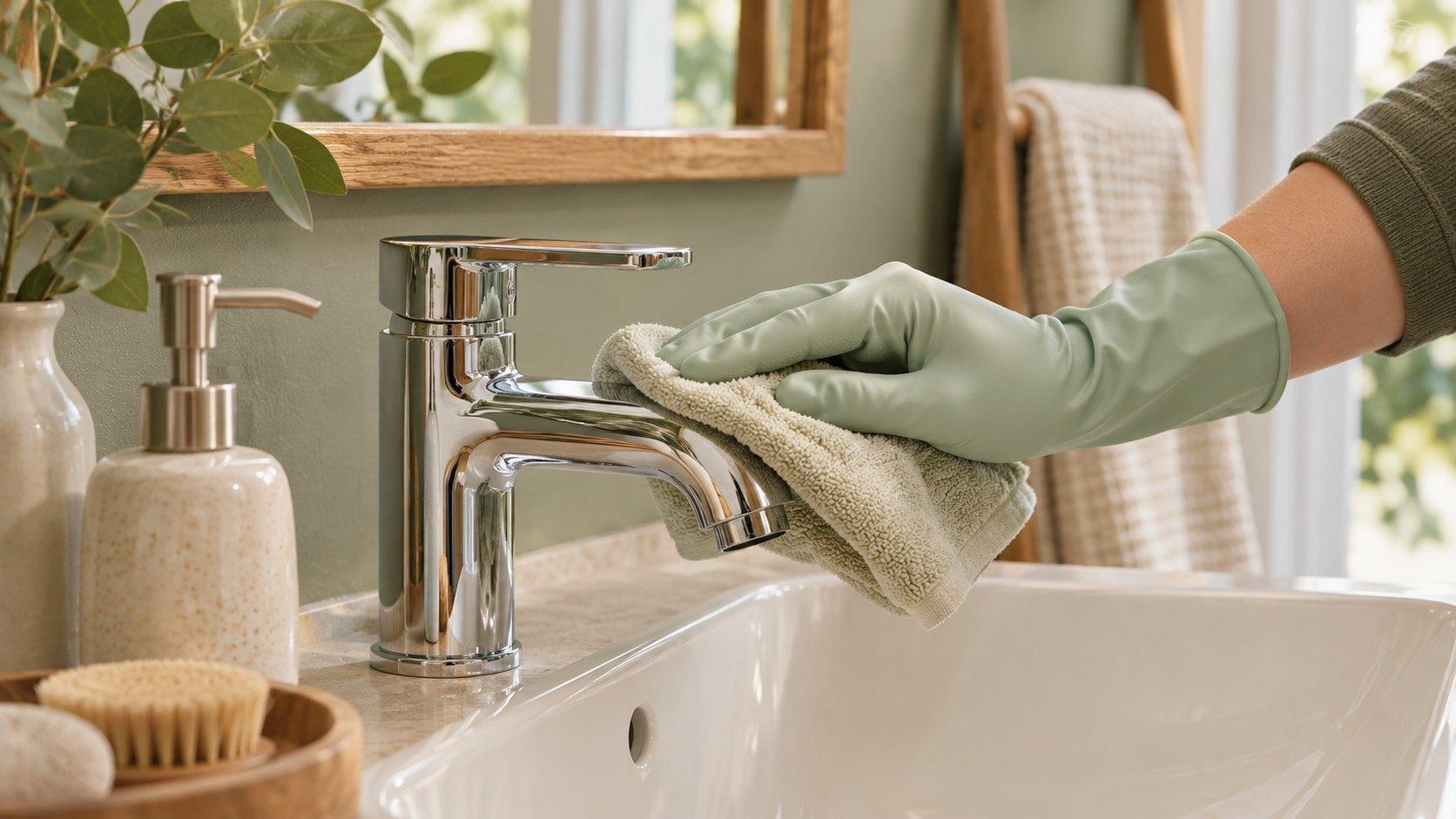
Choose the first visit based on condition
Share how long it has been since a detailed clean, which rooms have buildup and whether the home is occupied. Photos can clarify a request, while a walkthrough may be needed for more complex jobs. Let the cleaner know about pets, fragrance sensitivities and delicate finishes.
If you are moving, an empty-home checklist is more useful than a general deep-clean label. If you have just renovated, fine dust and new finishes need a post-construction plan. The service should match the job rather than being chosen solely by name.
Move from a reset to a routine
Once the baseline is manageable, an every-two-week visit can maintain high-use rooms. Weekly visits may fit a busier household; monthly service can suit lighter use with upkeep in between. A monthly gap can also create more work per visit, so compare the actual scope.
Every two weeks means bi-weekly, not twice a month. Clarify the calendar, access window and process for travel or holidays. Revisit the checklist if your household changes or some rooms stop being used.
Cleaning is different from disinfecting
The CDC distinguishes removing dirt and germs from using products to disinfect. A routine or deep clean does not automatically imply a disinfecting service. Use surface-appropriate products according to their labels and discuss specific needs separately.
CDC guidance on cleaning and disinfecting explains the difference. For product preferences, identify the actual product or label rather than relying on broad “green” or “chemical-free” language.
Find the right starting point
See deep cleaning for reset work or recurring cleaning for bi-weekly maintenance. The house cleaning checklist helps you prepare, and the plan builder turns your preferences into a quote request. All four services are available across the Suffolk County service area, subject to address and schedule confirmation.